
 ▶ Video
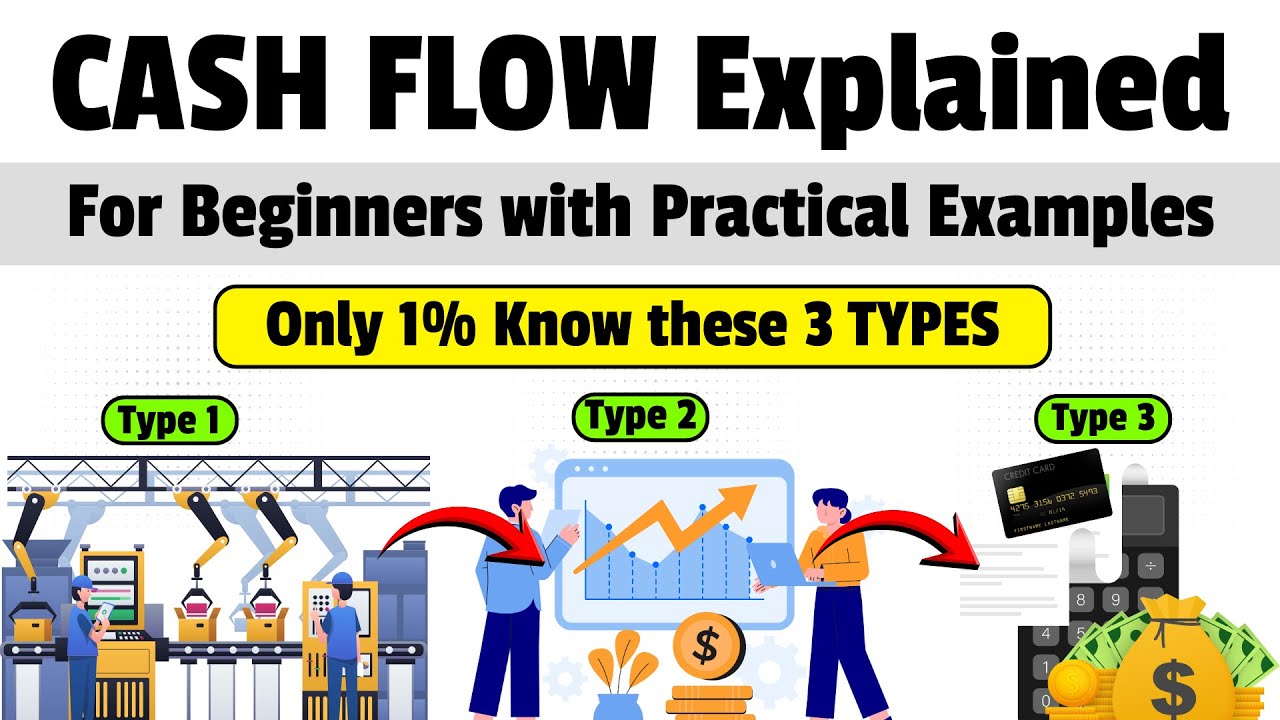
If you miss even one part, you risk losing money without knowing where it went. First, what a cash flow statement actually shows. A cash flow statement explains how real cash moves inside a business during a specific time period. It does not focus on profit shown in reports. It focuses only on money that actually comes in and goes out. Think of it like a business bank account summary. For example, imagine a small company sells products worth $50,000 in one month. Customers pay only $20,000 immediately and promise to pay the rest later. At the same time, the business pays salaries worth $15,000, rent worth $5,000, and supplier bills worth $10,000. Even though sales look strong, actual cash goes out more than it comes in. This creates a cash shortage. The cash flow statement helps you see this problem clearly. It answers simple but powerful questions. How much cash did daily business activities generate? How much cash was used to buy equipment or assets? How much cash came from loans or investors? Another key point is timing. Cash flow depends on when money moves, not when sales are recorded. An invoice does not pay bills. Cash does. This is why many profitable businesses still struggle. Understanding this statement helps prevent surprises, missed payments, and sudden financial stress. Second, operating cash flow explained with practical examples. Operating cash flow shows how much cash a business generates from its core daily activities. This includes cash received from customers and cash paid for salaries, rent, utilities, raw materials and other routine expenses. It does not include loans, investments or asset purchases. Let us take a simple example. A business provides services worth $40,000 in one month. Customers pay $30,000 in cash during that month and the remaining amount is still unpaid. Now look at expenses. The business pays salaries worth $12,000, office rent worth $6,000, utilities worth $2,000, and supplier payments worth $8,000. Total cash paid becomes $28,000. Now calculate operating cash flow. Cash received is $30,000. Cash paid is $28,000. Operating cash flow becomes positive $2,000. This means the business generated real cash from operations. Now consider a different situation. Sales remain the same, but customers pay only $20,000 in cash. Expenses stay at $28,000. Operating cash flow becomes $8,000. Even though the business looks active, it is losing cash daily. This section teaches one powerful lesson. Profit does not matter if customers delay payments. Strong businesses focus on collecting cash faster and controlling operating expenses carefully. Operating cash flow is the heartbeat of any business. Third, investing cash flow with real business situations. Investing cash flow shows how a business uses cash to buy or sell long-term assets. These assets are not for daily resale. They are tools that help the business operate and grow over time. Common examples include equipment, machinery, vehicles, software, and property. Imagine a business has accumulated operating cash over several months. The owner decides to buy new machinery worth $20,000 to increase production capacity. This cash goes out of the business and appears as negative investing cash flow. Even though cash decreases, this is not a bad sign. It shows the business is investing in future growth. Now, consider another example. A company sells old equipment for $7,000 because it is no longer useful. That cash comes into the business and appears as positive investing cash flow. The cash balance increases, but the business asset base decreases. Let us look at a combined scenario. The business buys equipment worth $20,000 and sells old furniture for $5,000 in the same period. Investing cash flow becomes negative $15,000. This simply tells us that more cash was invested than recovered. A key learning here is interpretation. Negative investing cash flow is often healthy for growing businesses. Positive investing cash flow may mean the company is shrinking or selling assets to survive. Context matters. Always ask why the cash moved, not just whether it moved in or out. Fourth, financing cash flow and how businesses fund themselves. Financing cash flow shows how a business raises cash and how it pays that cash back. This section includes money coming from loans, investors, or owners, and money going out as loan repayments, interest, or owner withdrawals. Consider a startup business that receives funding from an investor worth $30,000. This cash enters the business and is recorded as positive financing cash flow. The business now has money to operate, hire staff, or invest in equipment. Now, imagine the same business takes a bank loan worth $20,000. This also appears as positive financing cash flow because cash enters the business. However, when the business later repays the loan principal worth $5,000, that amount becomes negative financing cash flow. Interest payments also reduce cash even though they are operating expenses in accounting terms. Let us look at another example. A profitable business owner decides to withdraw $10,000 for personal use. This cash leaves the business and appears as negative financing cash flow. Even though the business is profitable, cash reduces. Financing cash flow tells you whether a business is surviving through its own operations or depending on external money. Healthy businesses aim to rely less on loans over time and more on operating cash flow. This section reveals financial discipline, risk levels, and long-term stability. Financing cash flow also helps you judge risk and dependency. If a business shows strong operating cash flow but negative financing cash flow, it usually means loans are being repaid and ownership control is improving. On the other hand, repeated positive financing cash flow with weak operations can signal danger. It may mean the business is surviving on borrowed money rather than real performance. Smart owners track how often they need external cash and why. Financing cash flow should support growth, not cover daily losses. When used wisely, it provides stability. When overused, it hides problems until cash pressure becomes impossible to ignore. If you found this video helpful, then like, share, and subscribe this channel to get future videos.